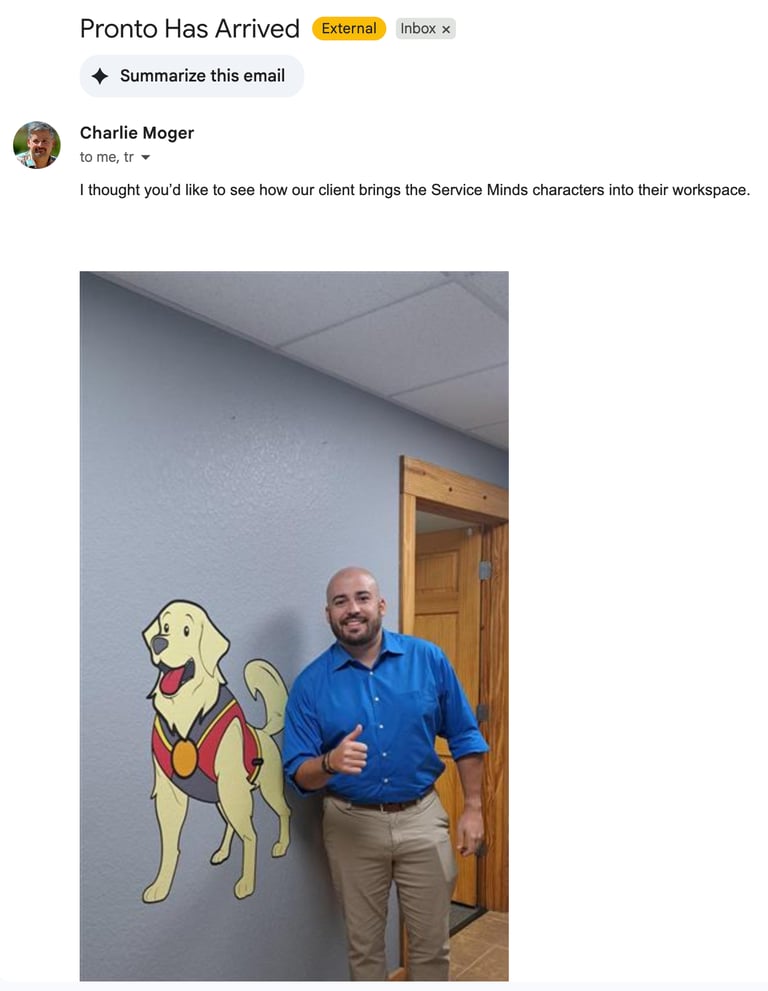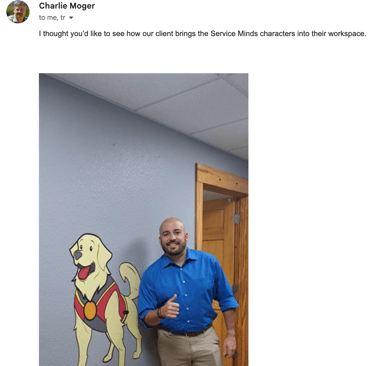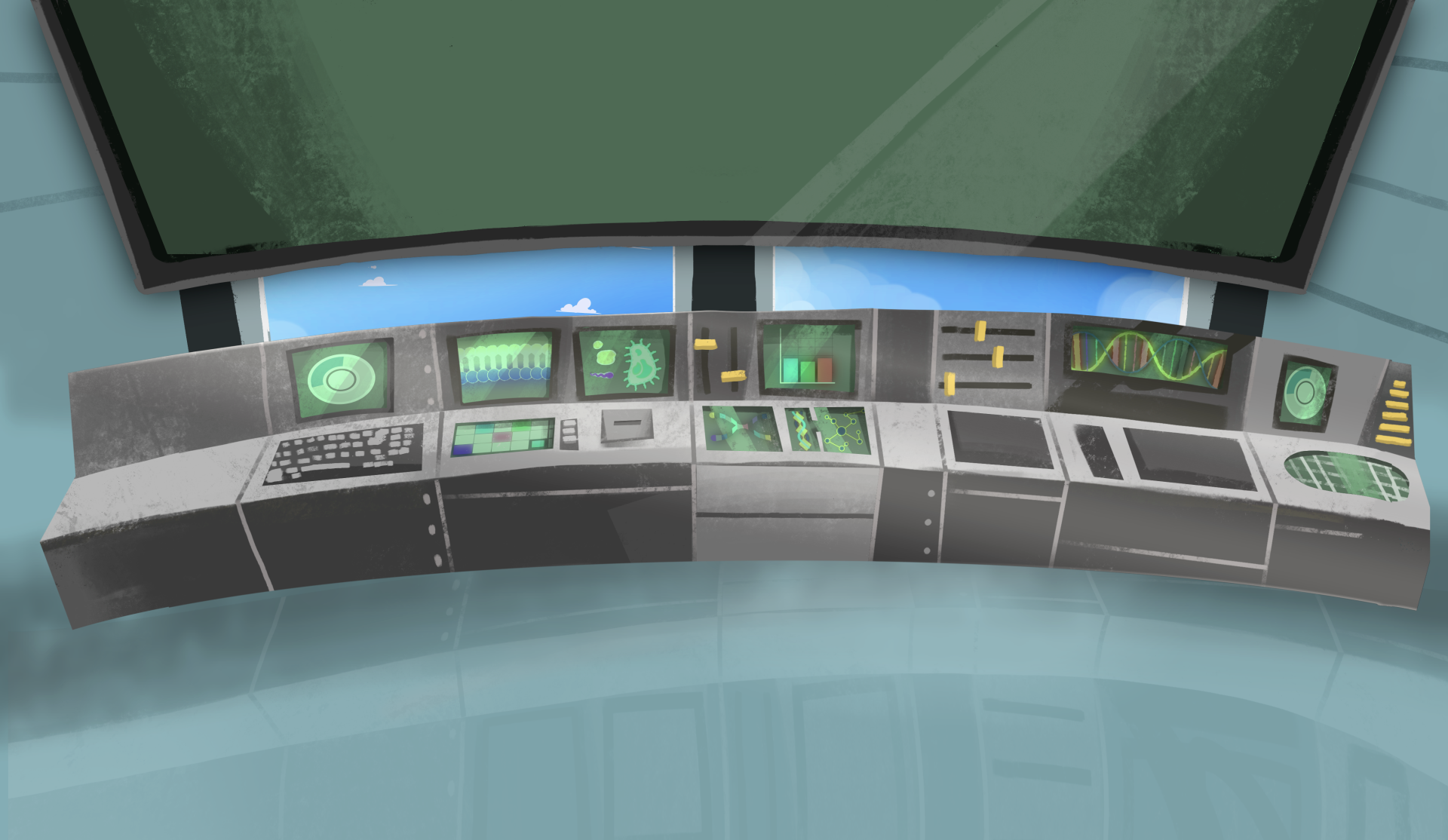
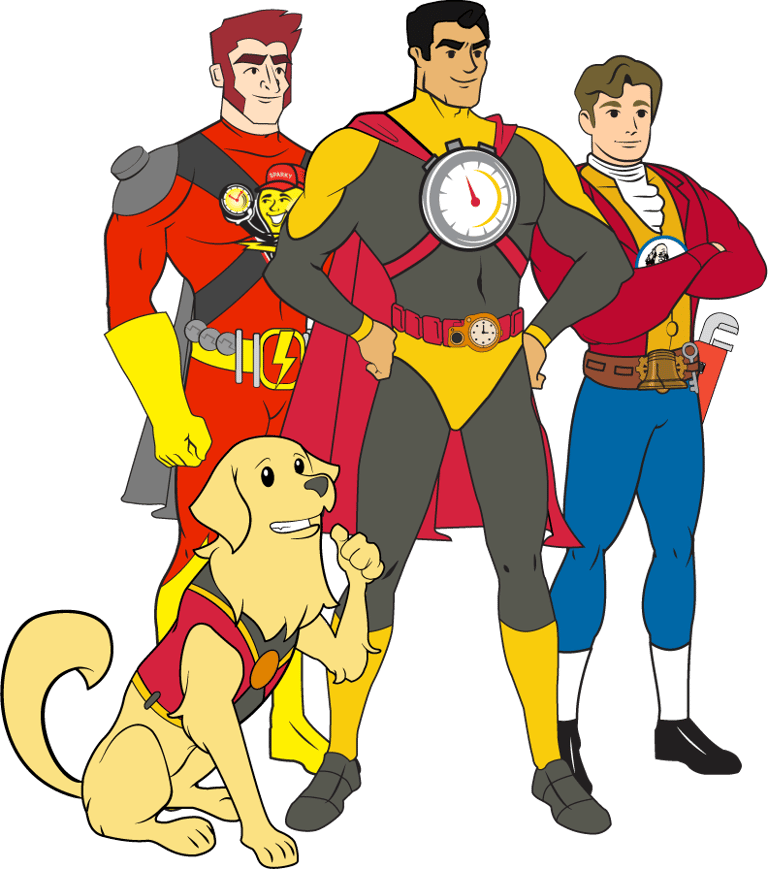
Service Minds needed an animated universe to tie together three separate home-service brands: One Hour Heating & Air, Mister Sparky Electric, and Benjamin Franklin Plumbing under a single campaign identity. Working with Moger Media, our team of three built that universe from scratch: an original superhero cast with their talking dog mascot Pronto, hand-painted sets, and a villain-of-the-week narrative inspired by classic Hanna-Barbera shows like Super Friends. Across seven finished spots, and counting, I've handled character illustration, storyboarding, rigging, animation, and compositing. All while our three-person team maintained a two week turnaround from storyboard to final render.
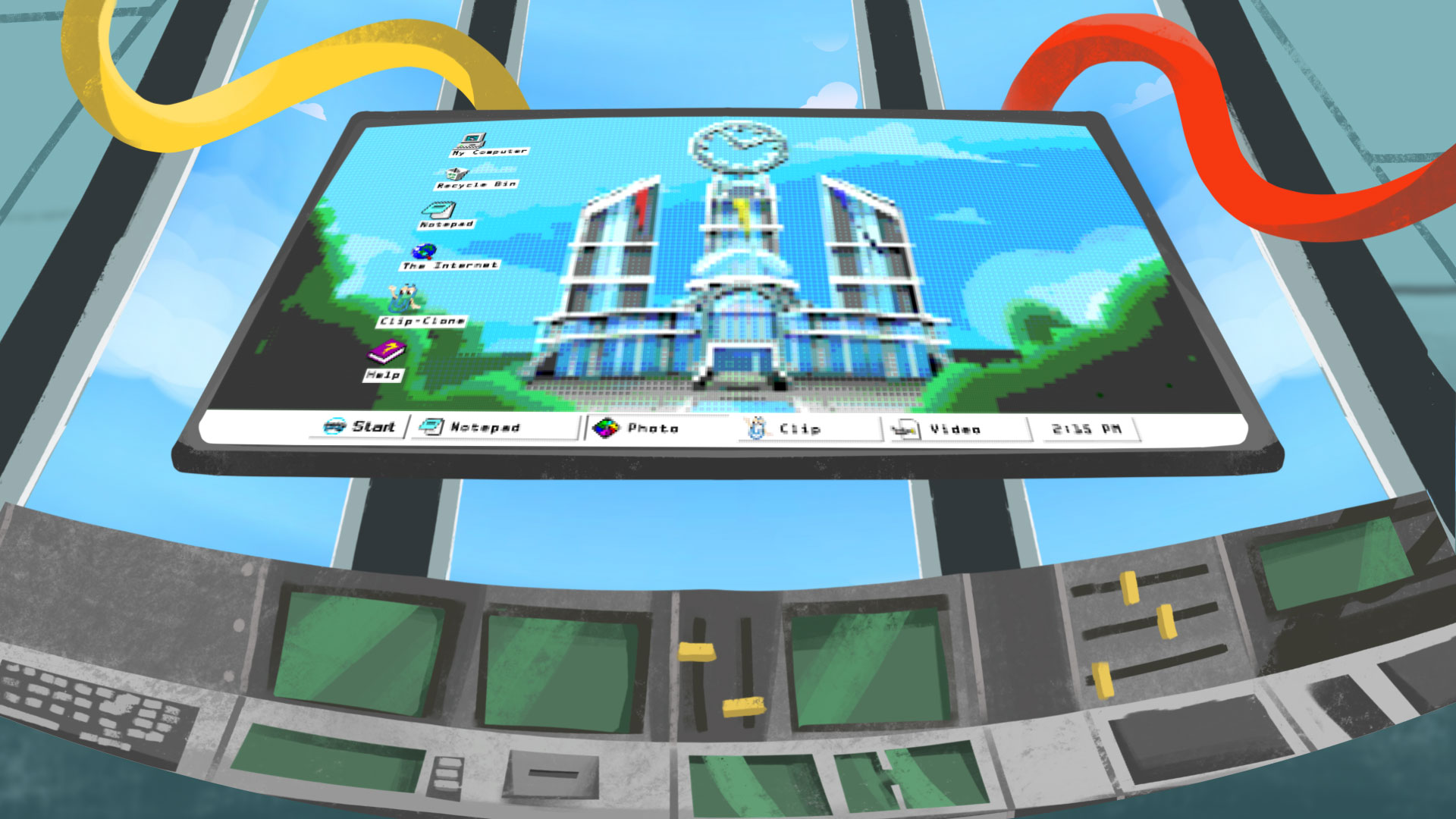
This reel pulls highlights from the first seven TV spots produced. Structured like a typical episode, it kicks off at the heroes HQ, escalating through the drama of revealing the villain, dropping into the action, and resolves when our heroes save the day. My favorite parts were creating the villains, rigs, VFX & SFX and compositing, while getting to work alongside two amazing teammates.
We produced these spots on an extremely tight schedule, going from storyboard to final product in only 80 working hours. We opted for a traditional pipeline, cycling through responsibilities (storyboarding, animating, drawing backgrounds) between spots so that every team member had the chance to touch a different part of the process each time. This kept things fresh creatively and helped everyone flex their skills. Throughout all of it, I was primarily responsible for character illustration, rigging, complex animation and compositing.
Service Minds Reel


Library of Spots
Straight from the Hall of Comfort's vault. All seven missions, declassified!
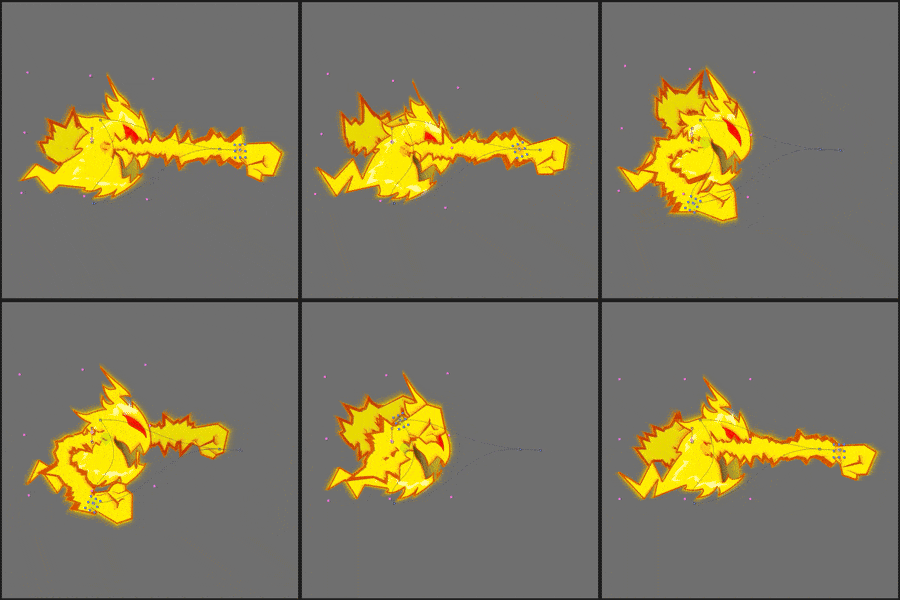
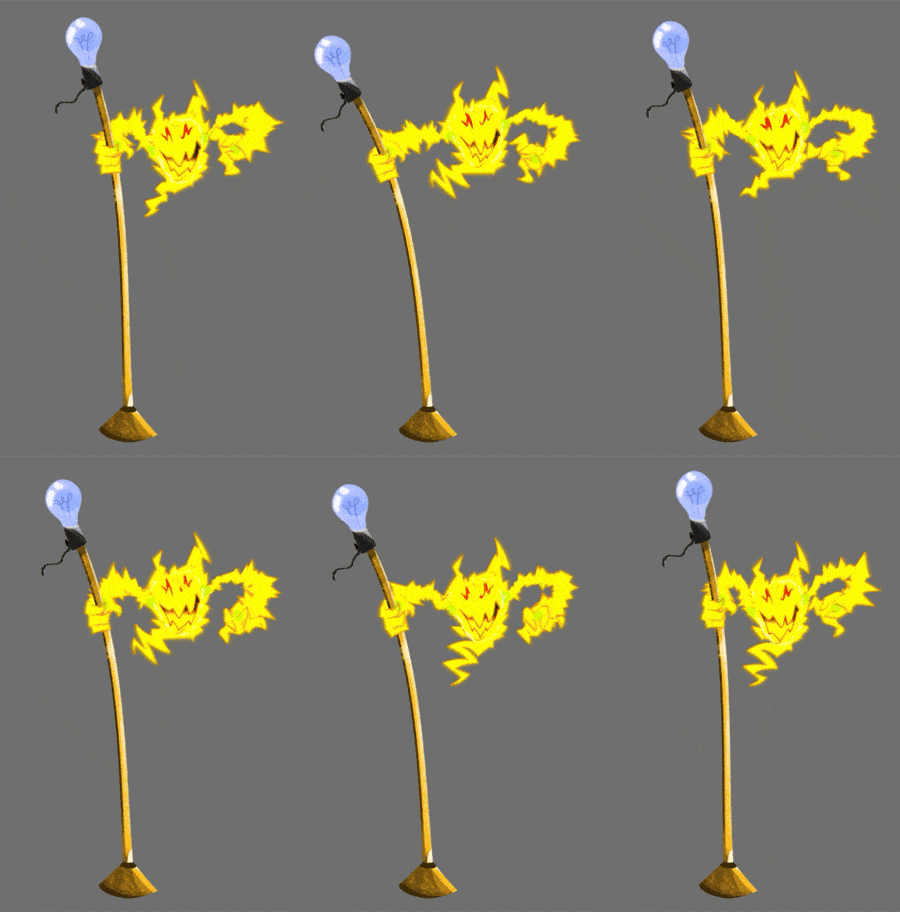
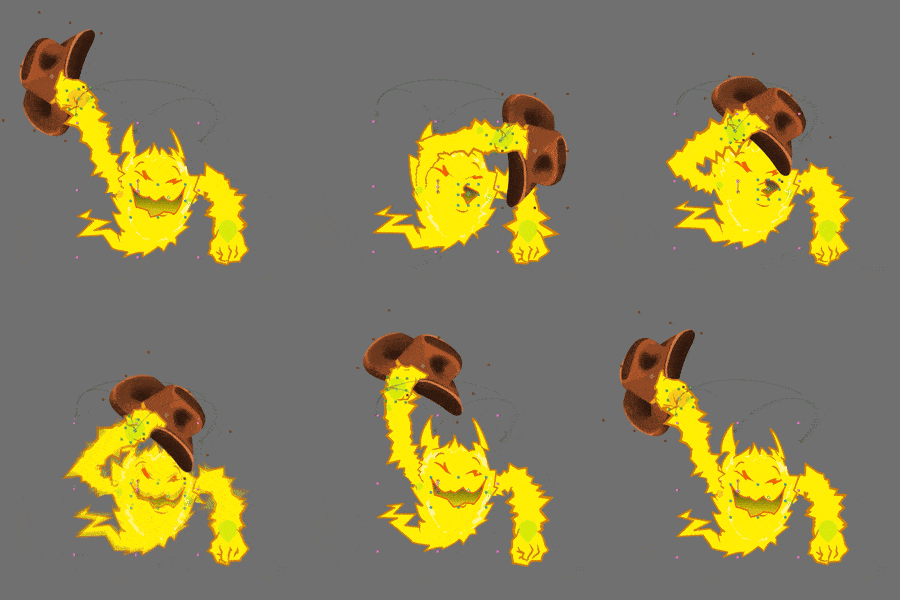
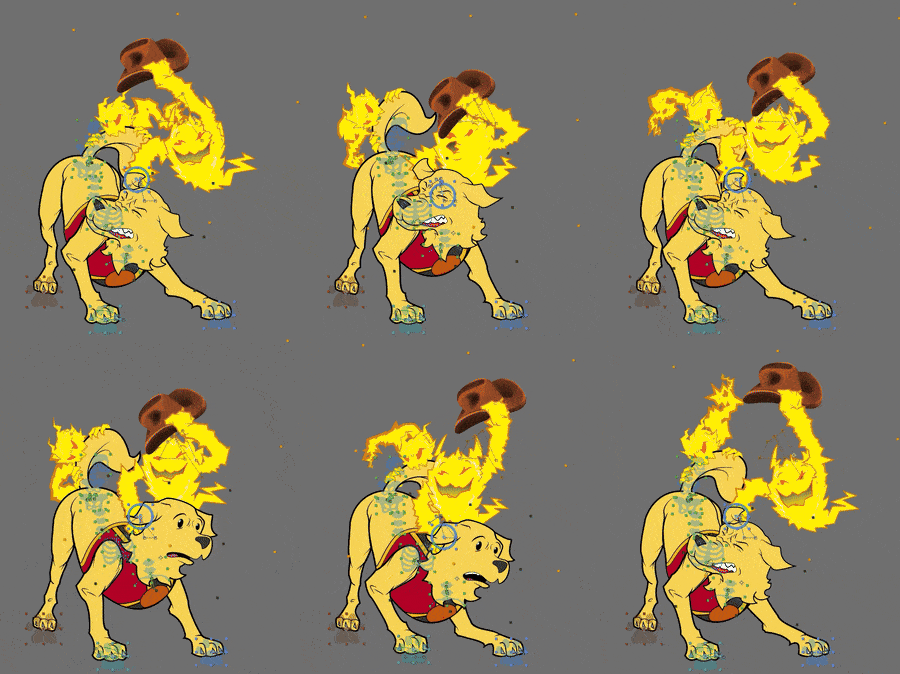
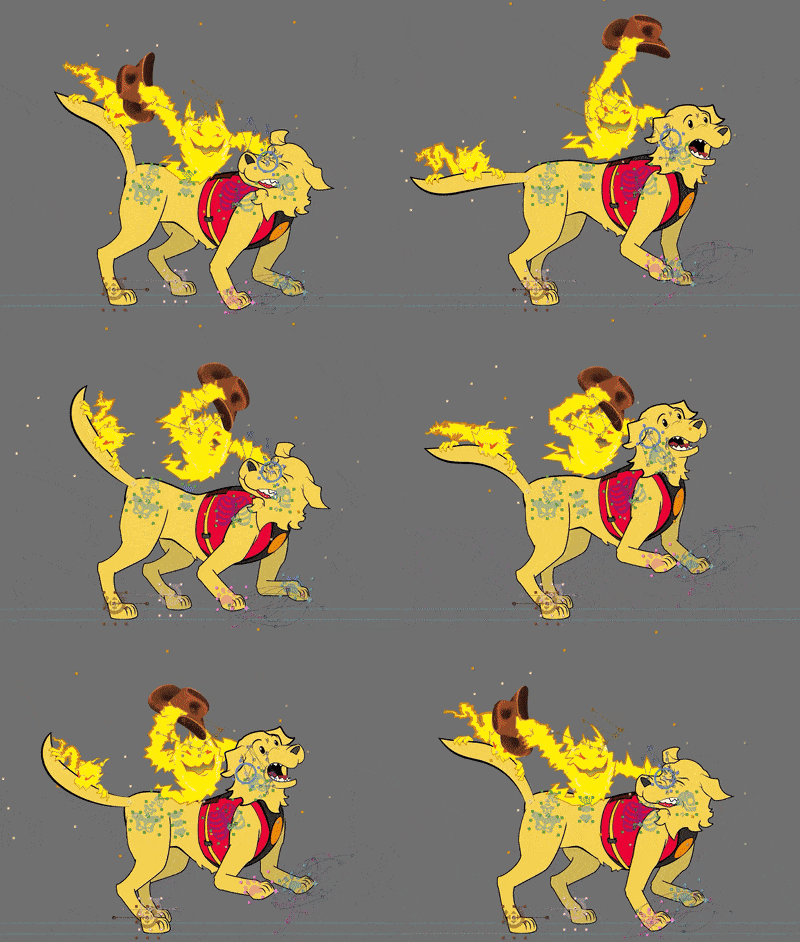
My favorite part of production is definitely character animation. As previously mentioned, due to the project's budget constraints we were limited to the Adobe Creative Suite for the entire pipeline. After Effects was never built for character animation, but luckily it has a broad ecosystem of community-made plugins, extensions, and scripts that help close the gap.
For rigging, I relied on the built in puppet pin engine with a mixture of third party tools like Duik Angela, Joysticks N' Sliders, and Crazy Shapes. This gave us the speed of the puppet pin system with the added control of expression-driven rigs. That said, After Effects' path property is notoriously slow — and that was the main limiting factor in the creative choices I could make. A lot can be accomplished through path expressions, but the responsiveness still doesn't come close to dedicated character animation tools from software like Moho or Toon Boom.
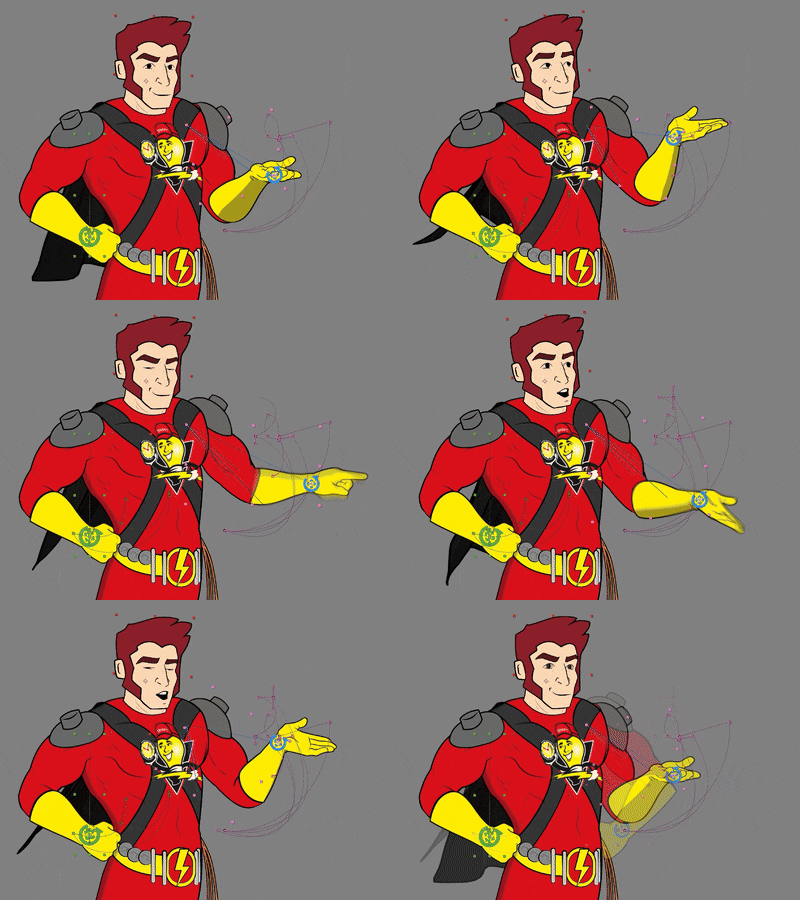

When leveraging AI tools, I wanted to approach it in a way that didn't sacrifice hand-drawn quality or artist integrity for generative speed. I used tools like Adobe's Turntable (brand new at the time) to expand a single hand w/forearm pose into it's own 90 degree gestural animation. Fitting these into the workflow required more time during the rigging phase, but was well work adding fluidity in motion where I didn't have the time to hand draw each pose myself.
We'd then move on to drafting the more "polished" storyboard that would eventually get sent to the client. We still kept things loose in the eventuality that major revisions would need to be made. To save time, we'd pull finished character drawings from previous spots rather than hand-drawing each new pose, and reuse existing set and background work where it fit. With the dialogue matched to the script, we sent it off for approval.
Production
Every new spot starts with ideation, the most important phase of the creative process. After receiving the audio from Moger Media, each team member would independently draft our own rough storyboard. These roughs weren't about polish, they were about getting ideas on paper fast. From there, we would consolidate ideas while paying attention to how each decision would affect animating, as to not exceed hours at the cost of communicating the message.
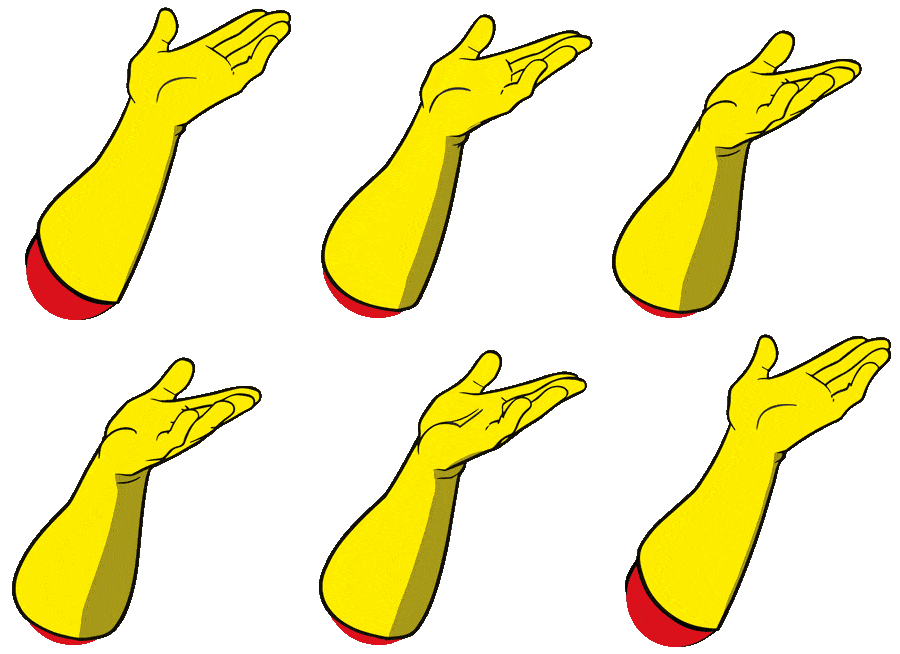
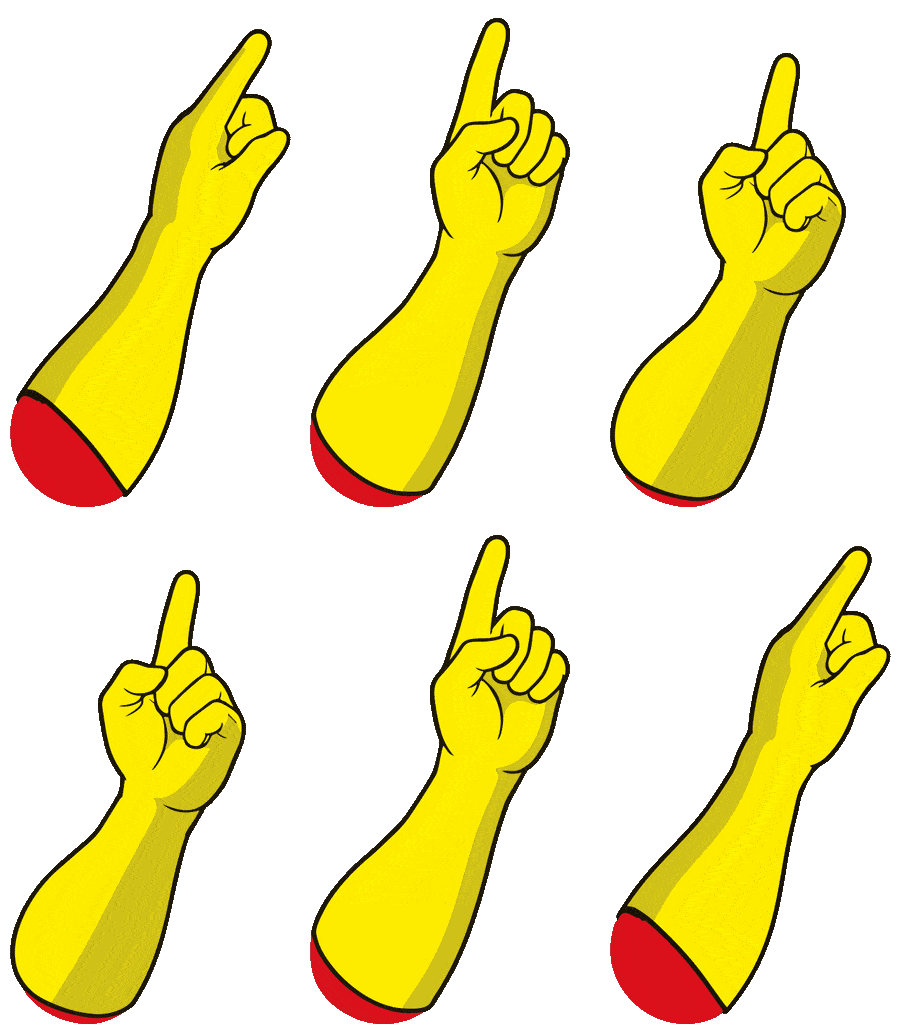
I leveraged generative AI for minor assets when budget and schedule constraints made manual drawing impractical. Take the neighborhood or smoke detector drawings for example. This kept the team focused on high impact motion and layout. Acting as a creative director, I fed custom sketches into nanobanana, adapted the outputs to the show's style, and refined the output in After Effects. Hand-crafted work remains the backbone of my workflow. AI simply manages edge cases so human effort is focused where it matters most.
From there, I used generative AI to fill in the facades of each house; creating detail that followed the perspective and style of the sketch. Once the houses were in place, I drew the trees, driveways, and smaller assets by hand to tie everything together. From a production standpoint, this was the ideal use case. The sketch gave the AI the creative direction it can't provide on its own, while the AI handled the repetitive detail work that would have taken hours to illustrate manually. The result is something neither could have produced alone.
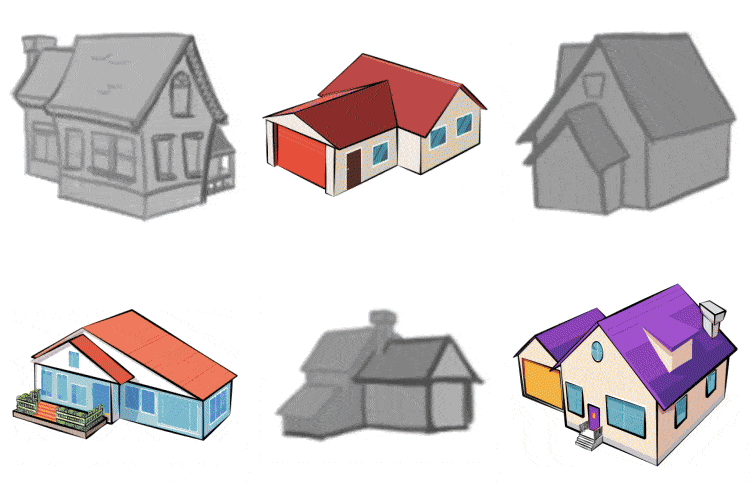
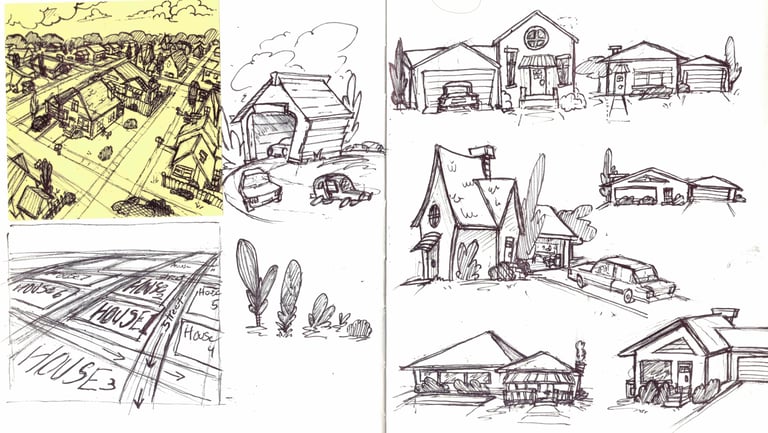
A more poignant example might be this one: a close up background illustration of that same neighborhood. I started with a hand drawn sketch that established the perspective, layout, and mid-century cartoon style I was going for.
Utilizing AI
Creating One Hour Man
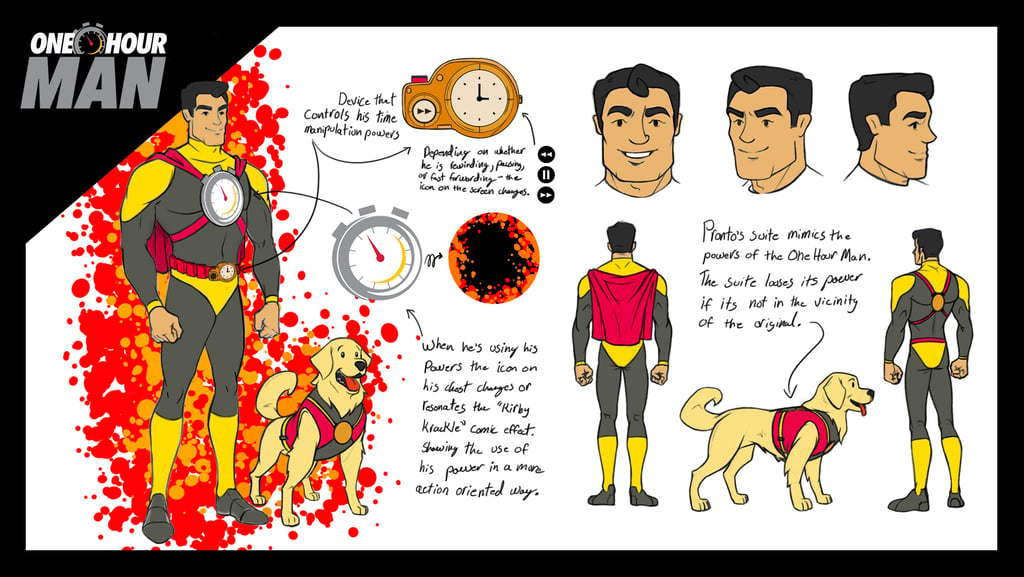
Creating One Hour Man (OHM) and Pronto was a blast! We were given complete creative freedom over the build, style, and lore behind our heroes, with one piece of direction: keep it in the mid-century cartoon aesthetic. With that in mind, I started OHM with a classic superhero look, Hanna-Barbera-inspired features, with simplified black circular eyes, flat color (no shadows) and strong linework, completed by a retro vibe to his outfit. Since Pronto is his trusty sidekick, I gave him a matching look complete with a superhero dog vest. The power set I initially gave him was time manipulation - play off his brands "One Hour" moniker. Theory crafting his power set to displace the flow of time within a given area. Visually, his power would be denoted on screen by the Kirby Crackle emanating from his chronos belt buckle and chest piece.
Some of these ideas never made it into the final show. The client's direction eventually shifted toward an "everyman" type of hero with minimal to no superpowers. Their real power was helping customers with exceptional home service, and that was super enough. But the initial concepts were well received, and the visual foundation I built in that first round carried through to the final character design.
CLIENT / AGENCY
Service Minds, Moger Media
TYPE + YEAR
Animated Ad Show, 2022-Present
MY ROLE
Character Design (OHM), Rigging, Animation, VFX, Compositing
OTHER ARTISTS
Jake Morris, Mary Lucas
PROJECT MANAGEMENT
TR Scrivner, Rachel Keen